
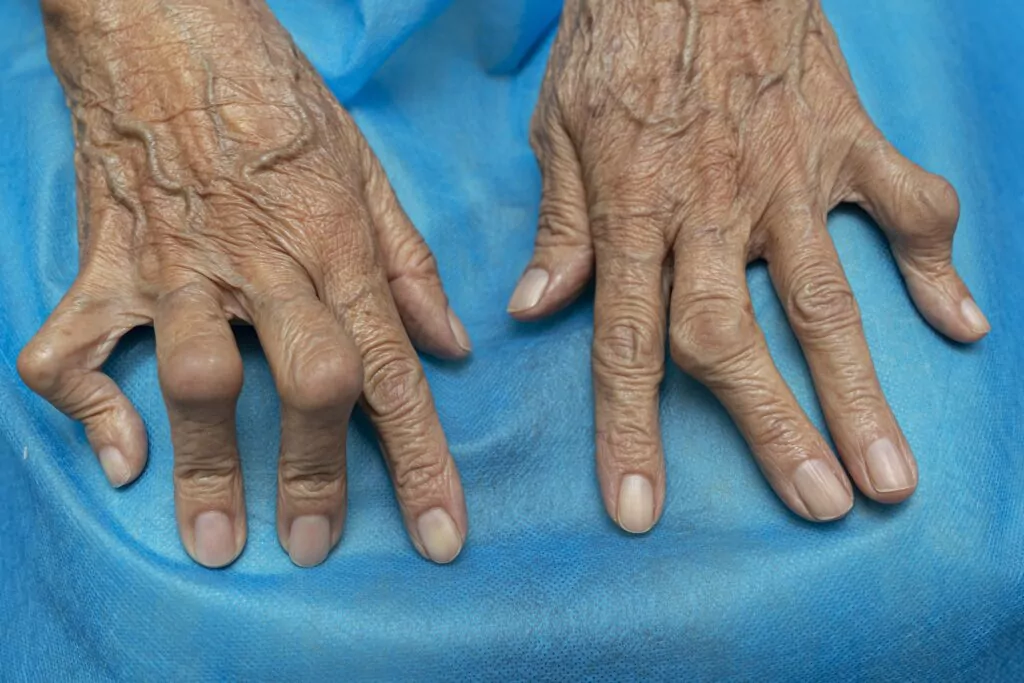
Rheumatoid arthritis (RA) is a chronic inflammatory disorder that primarily affects joints but can have wide-ranging effects on overall health. This post aims to provide an overview of RA, from its causes and symptoms to diagnosis and management strategies.
What is Rheumatoid Arthritis?
RA is an autoimmune disease where the immune system mistakenly attacks the body's tissues, leading to inflammation primarily in the joints. It can cause joint pain, swelling, and eventually lead to joint deformity.
Epidemiology and Risk Factors
RA affects approximately 0.1% to 5% of the population, with women being two to three times more likely to develop the condition than men. It can occur at any age, but the peak onset is usually between 50 and 75 years.
Genetic Factors:
Higher concordance rates in monozygotic twins.
Involvement of specific genetic markers like HLA-DR beta and various SNPs.
Environmental Factors:
Cigarette smoking and certain infections (like gingivitis) may increase risk.
Occupational hazards such as exposure to silica and woodwork.
Pathophysiology
RA begins with changes in the synovial membrane, leading to its thickening due to increased synovial-lining cells. This inflammation can invade cartilage and bone, forming a destructive tissue known as pannus.
Clinical Features
Joint Symptoms: Morning stiffness lasting at least one hour, swelling in multiple joints, and symmetric joint pain.
Extraarticular Manifestations: Anemia, fatigue, rheumatoid nodules, and involvement of organs like the lungs and eyes.
Diagnosis
Diagnosis involves a combination of clinical examination, serological tests (like rheumatoid factor and anti-CCP antibodies), and imaging techniques such as X-rays and MRIs.
Management Strategies
Medications:
DMARDs: Methotrexate, sulfasalazine, and hydroxychloroquine are common first-line treatments.
Biologic DMARDs: These include TNF inhibitors like etanercept and infliximab, targeting specific components of the immune response.
Glucocorticoids: Used for rapid control of inflammation.
Rehabilitation:
Exercise: To maintain joint function and reduce stiffness.
Orthotics: Devices like wrist or knee braces to provide support and reduce pain.
Lifestyle and Support
Education about the disease, psychosocial support, and lifestyle modifications, including smoking cessation and maintaining a healthy weight, can significantly impact disease management.
Conclusion
Rheumatoid arthritis is a complex condition requiring a multifaceted approach to management. By understanding the disease's pathology, symptoms, and treatment options, patients can better navigate their health journey. If you suspect you have RA, consult a healthcare professional for a comprehensive evaluation and tailored management plan.


